
10 Benifits of Exercising daily
"Exercise is the key not only to physical health but to peace of mind."
Exercising every day offers a multitude of benefits for both physical and mental health. Regular physical activity
1. Improves Cardiovascular Health: Strengthens the heart and improves circulation, reducing the risk of heart disease and stroke.

Exercise improves cardiovascular health by strengthening the heart, lowering blood pressure, improving cholesterol levels, promoting weight management, enhancing circulation, reducing inflammation, and regulating heart rate and rhythm. Regular physical activity, particularly aerobic exercise, helps to maintain a healthy heart and reduces the risk of heart disease by improving blood flow, reducing plaque buildup in arteries, and enhancing overall cardiovascular function.
2.Enhances Muscle and Bone Strength: Builds and maintains muscle mass and bone density, which can prevent osteoporosis and frailty.

Exercise enhances muscle and bone strength through various mechanisms. Resistance training, such as weightlifting or bodyweight exercises, stimulates muscle growth by causing microscopic damage to muscle fibers, which then repair and grow stronger during the recovery process. Weight-bearing exercises, including walking, running, and jumping, exert stress on bones, prompting them to remodel and become denser and stronger. Additionally, exercise increases bone mineral density, which is crucial for preventing osteoporosis and reducing the risk of fractures. By challenging muscles and bones through regular physical activity, individuals can maintain and improve their strength, mobility, and overall bone health, promoting longevity and quality of life.
3.Boosts Energy Levels: Increases stamina and reduces feelings of fatigue, making daily activities easier to perform.

Exercise boosts energy levels through various mechanisms. Firstly, it increases the flow of oxygen and nutrients to tissues and organs, enhancing overall circulation and metabolism. Regular physical activity also stimulates the production of endorphins, neurotransmitters that reduce feelings of fatigue and promote a sense of well-being. Moreover, exercise improves cardiovascular health, leading to more efficient delivery of oxygen and nutrients to muscles, thereby reducing the strain on the cardiovascular system during physical exertion. Additionally, regular exercise helps improve sleep quality, allowing for better rest and restoration of energy levels. Lastly, engaging in physical activity can enhance mood and reduce stress, both of which contribute to higher energy levels and improved mental clarity. Overall, incorporating exercise into your routine can provide a sustainable and natural way to boost energy levels and combat fatigue.
4.Supports Weight Management: Helps maintain a healthy weight by burning calories and increasing metabolism.

Exercise supports weight management through several mechanisms. Firstly, it helps to burn calories, contributing to a negative energy balance when combined with a healthy diet, which is essential for weight loss. Regular physical activity also helps to increase lean muscle mass, which in turn boosts metabolism, allowing the body to burn more calories even at rest. Additionally, exercise can suppress appetite and reduce cravings for unhealthy foods, making it easier to adhere to a balanced diet and maintain a healthy weight. Moreover, engaging in regular exercise, particularly aerobic activities like running or cycling, helps to improve cardiovascular health, allowing for more efficient energy utilization during physical activity. Finally, exercise promotes positive changes in body composition, such as reducing body fat percentage and increasing muscle mass, which can lead to long-term weight management success. Overall, incorporating exercise into your routine is a crucial component of any weight management plan, helping to support calorie balance, metabolism, appetite control, and overall body composition.
5.Promotes Mental Health: Reduces symptoms of depression, anxiety, and stress while enhancing mood and overall emotional well-being.

Exercise is a potent promoter of mental well-being, acting through various mechanisms. It triggers the release of endorphins, natural mood elevators, fostering feelings of happiness. Furthermore, it reduces stress hormones like cortisol, alleviating symptoms of anxiety and depression. As a constructive distraction, exercise shifts focus away from negative thoughts, promoting a sense of accomplishment. Achieving fitness goals can enhance self-esteem and confidence levels significantly. Group activities or team sports facilitate social connections, combating feelings of loneliness. Additionally, regular exercise is linked to improved cognitive function, including memory and problem-solving skills. Embracing exercise as part of daily life not only strengthens the body but also nurtures the mind, fostering a holistic approach to mental well-being.
6.Improves Sleep Quality: Promotes better sleep patterns and helps with insomnia.

Exercise improves sleep quality through various mechanisms. Firstly, it helps regulate the body's internal clock, known as the circadian rhythm, by promoting a consistent sleep-wake cycle. Physical activity also increases body temperature, and the subsequent drop in temperature after exercise can promote feelings of drowsiness, making it easier to fall asleep. Moreover, exercise reduces symptoms of stress and anxiety, which are common contributors to sleep disturbances. Additionally, regular exercise can tire the body physically, leading to deeper and more restorative sleep. Lastly, engaging in physical activity outdoors exposes the body to natural sunlight, which helps regulate the sleep-wake cycle and promotes better sleep patterns. By incorporating exercise into your routine, you can enjoy more restful and rejuvenating sleep, leading to improved overall health and well-being.
7.Enhances Flexibility and Balance: Increases range of motion and stability, which can prevent falls and injuries.

Exercise enhances flexibility and balance through targeted stretching and strength-building activities. Stretching exercises such as yoga or Pilates improve flexibility by lengthening muscles and increasing range of motion in joints. Regular stretching also helps prevent muscle stiffness and joint pain, promoting better mobility and flexibility in daily activities. Strength-building exercises, including resistance training and bodyweight exercises, help improve balance by strengthening muscles throughout the body, particularly those in the core, legs, and ankles. Stronger muscles provide better support and stability, reducing the risk of falls and injuries. Additionally, exercises that challenge balance, such as standing on one leg or using balance boards, can improve proprioception—the body's awareness of its position in space—and train the neuromuscular system to react more effectively to changes in balance. By incorporating a variety of stretching, strength, and balance exercises into your routine, you can enhance flexibility, improve balance, and reduce the risk of injury, leading to better overall physical function and mobility.
8.Boosts Immune System: Regular exercise can enhance the immune system, making the body more resistant to infections.
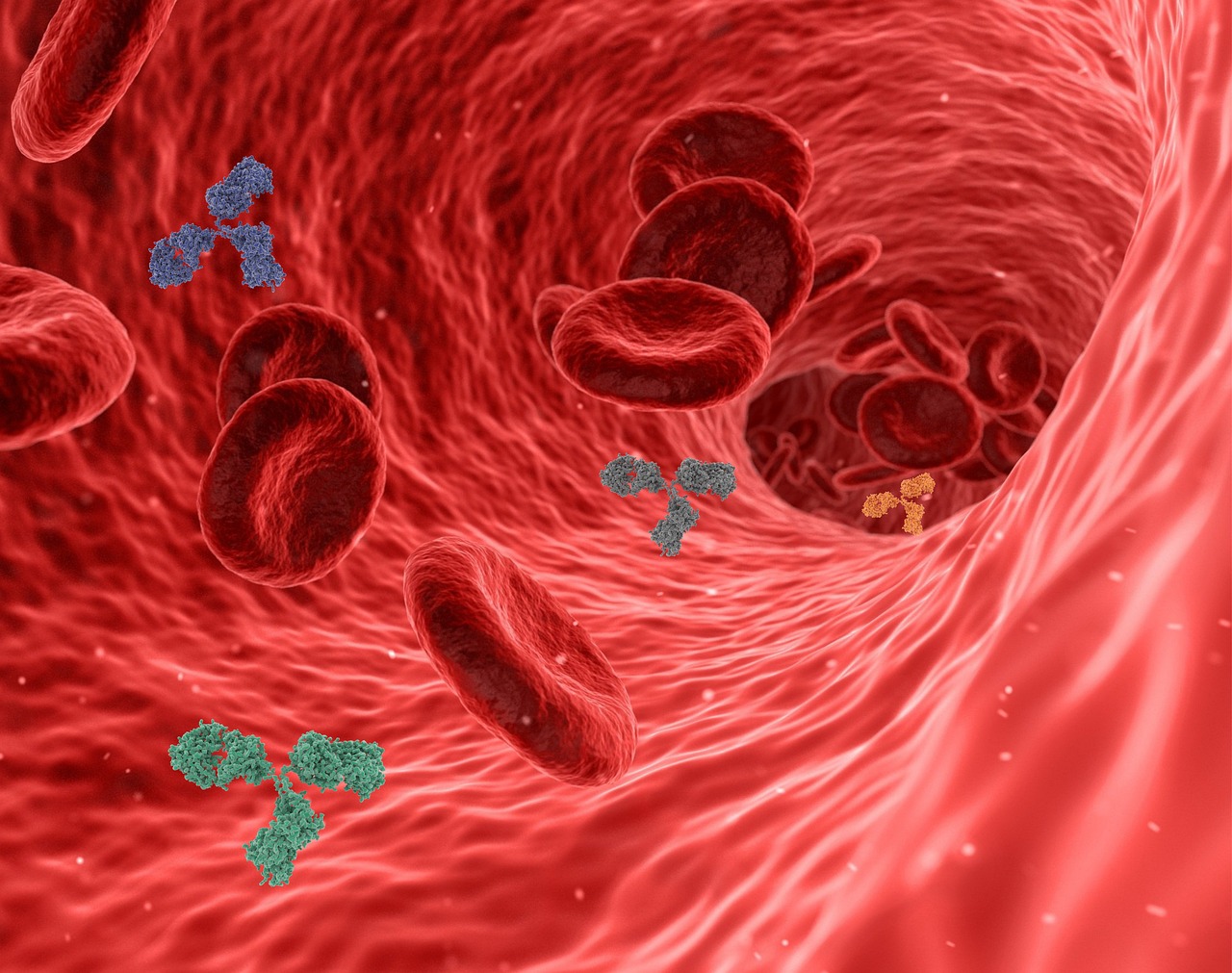
Exercise boosts the immune system in several ways. Firstly, it promotes good circulation, allowing immune cells to move more efficiently throughout the body and do their job effectively. Exercise also helps to flush bacteria out of the lungs and airways, reducing the risk of respiratory infections. Moreover, physical activity triggers changes in antibodies and white blood cells, which are essential components of the immune system, enhancing their ability to detect and fight off pathogens. Regular exercise also reduces levels of stress hormones, such as cortisol, which can suppress the immune system. Additionally, exercise contributes to better sleep quality, which is crucial for immune function. By incorporating regular physical activity into your routine, you can strengthen your immune system, making your body more resilient to infections and illnesses.
9.Supports Brain Health: Improves cognitive function, memory, and reduces the risk of cognitive decline as we age.

Exercise supports brain health through various mechanisms. Firstly, physical activity increases blood flow to the brain, delivering oxygen and nutrients essential for optimal cognitive function. Regular exercise stimulates the release of growth factors, such as brain-derived neurotrophic factor (BDNF), which promote the growth and repair of brain cells, particularly in regions involved in memory and learning. Moreover, exercise reduces the risk of chronic conditions such as obesity, diabetes, and hypertension, which are associated with cognitive decline. Additionally, physical activity enhances mood and reduces symptoms of stress and anxiety, which can impair cognitive function. Engaging in regular exercise also promotes neuroplasticity, the brain's ability to adapt and reorganize in response to new experiences and learning, leading to improved cognitive flexibility and resilience. By incorporating regular exercise into your routine, you can support brain health and cognitive function, enhancing memory, focus, and overall mental well-being.
10.Increases Longevity: Regular physical activity is associated with a longer lifespan and a higher quality of life.

Exercise increases longevity through various mechanisms. Firstly, regular physical activity reduces the risk of chronic diseases such as heart disease, stroke, type 2 diabetes, and certain types of cancer, which are leading causes of mortality. Exercise improves cardiovascular health by strengthening the heart muscle, lowering blood pressure, and improving cholesterol levels, thus reducing the risk of heart disease and stroke. Additionally, physical activity helps maintain a healthy weight, which is crucial for overall health and longevity. Regular exercise also supports immune function, reducing the risk of infections and other illnesses that can shorten lifespan. Moreover, engaging in regular exercise promotes mental health and cognitive function, enhancing overall well-being and quality of life. By incorporating regular physical activity into your routine, you can increase longevity and enjoy a healthier, more vibrant life.