EnergizeMeUp

High-Protein Sources for Muscle Gain: A Comprehensive Guide

Welcome to our comprehensive guide on protein sources for muscle gain. In this article, we'll explore a variety of protein-rich foods to fuel your workouts and aid in muscle recovery. Animal protein options include lean meats like chicken breast, turkey breast, and beef, as well as seafood choices like salmon, tuna, trout, cod, and tilapia. For vegetarian or vegan diets, we've included plant-based protein sources such as lentils, tofu, quinoa, and chickpeas. You'll find the protein and calorie content per unit for each food item, along with high-quality images. Remember, a balanced approach to nutrition and exercise is key to achieving your muscle-building goals.

17 Non-Vegetarian Protein Sources:

  1. • Lean meats:

    1. Chicken breast
    2. Chicken breast is a lean and protein-packed meat that is widely consumed. In a 3.5-ounce (100-gram) serving of cooked, skinless, boneless chicken breast, you can expect to find approximately 31 grams of protein, which is essential for muscle growth and repair. In terms of calories, this serving size contains around 165 calories, making it a relatively low-calorie choice. Chicken breast is often favored by individuals looking to maintain a healthy weight or build muscle due to its high protein content and relatively low fat content.

    3. Turkey breast
    4. Turkey breast is a lean meat that offers a generous amount of protein while being relatively low in calories. In a 3.5-ounce (100-gram) serving of roasted turkey breast, you can find approximately 30 grams of protein, which is crucial for muscle development and tissue repair. The same serving size of skinless turkey breast typically contains around 140-175 calories, making it a suitable choice for those watching their calorie intake. Including the skin can increase the calorie content to approximately 190-210 calories. Overall, turkey breast is a nutritious option that provides protein without excessive calories, making it a favorable choice for individuals aiming to maintain a balanced and healthy diet.

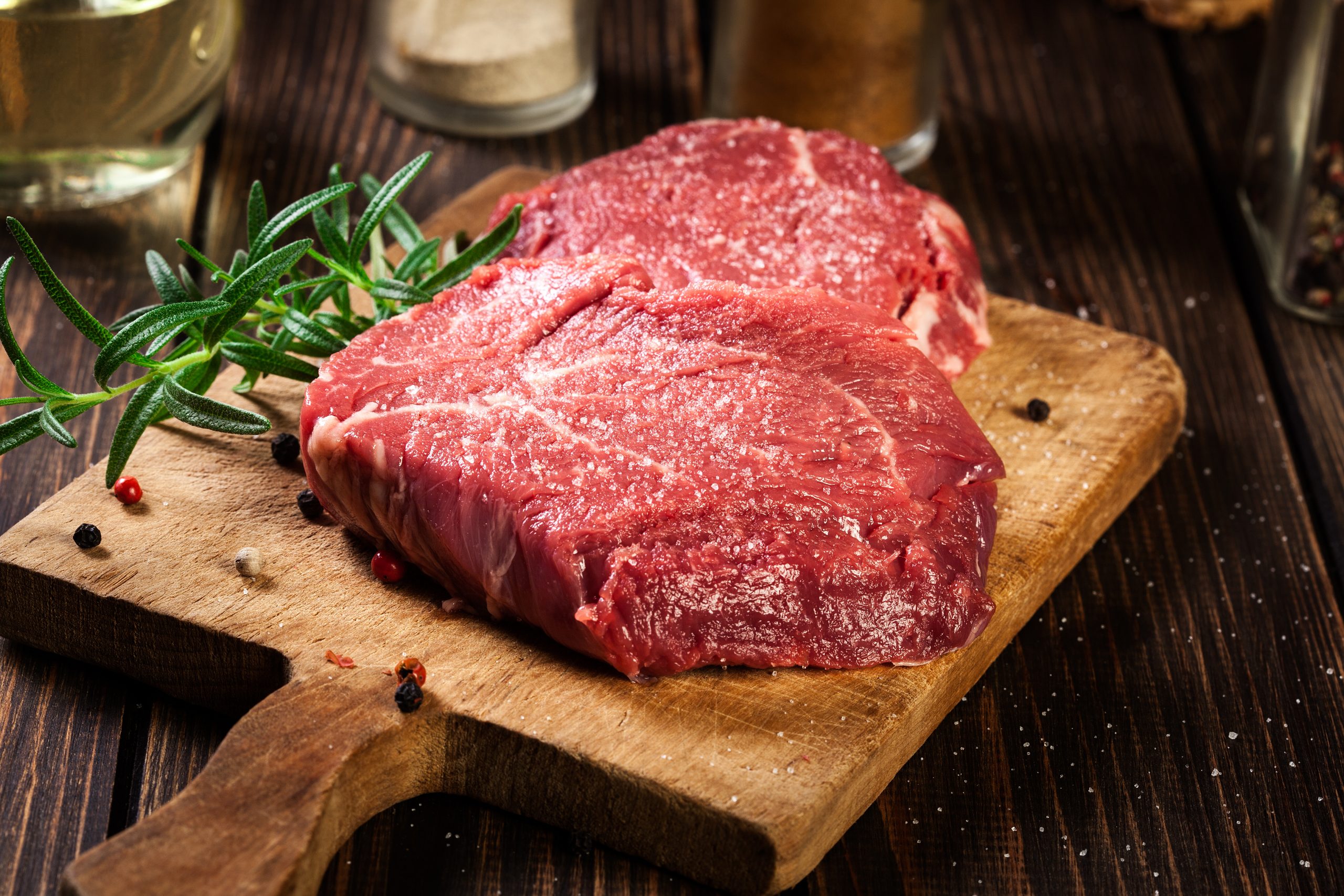
    5. Lean cuts of beef (such as sirloin or tenderloin)
    6. Lean cuts of beef are a nutritious option that offers a substantial amount of protein while being relatively low in calories. In a 3.5-ounce (100-gram) serving of lean beef, such as sirloin or tenderloin, you can find approximately 25-30 grams of protein, which is essential for muscle growth and repair. The calorie content in lean beef can vary depending on the specific cut and cooking method. On average, a 3.5-ounce serving of lean beef provides approximately 150-200 calories. It's important to note that the exact calorie count may vary based on factors such as cooking technique and any added ingredients or seasonings. Lean cuts of beef offer a flavorful and protein-rich option for those seeking to incorporate meat into their diet while maintaining a balanced calorie intake.

    7. Pork tenderloin
    8. Pork tenderloin is a lean and flavorful cut of meat that provides a substantial amount of protein while being relatively low in calories. In a 3.5-ounce (100-gram) serving of pork tenderloin, you can expect to find approximately 22-26 grams of protein, which is essential for muscle development and repair. The calorie content in pork tenderloin is also relatively moderate, with a 3.5-ounce serving typically containing around 120-150 calories. It's important to note that the exact calorie count may vary slightly depending on cooking methods and any added ingredients or seasonings. Pork tenderloin is a versatile and delicious protein source that can be enjoyed as part of a balanced diet, offering a lean option for those looking to maintain or increase their protein intake while managing their calorie consumption.

  2. • Fish:

    1. Salmon
    2. Salmon is a nutrient-dense fish that offers a significant amount of protein along with other essential nutrients. In a 3.5-ounce (100-gram) serving of salmon, you can find approximately 20-25 grams of protein, which is important for muscle growth and repair. Additionally, salmon is a rich source of omega-3 fatty acids, which are beneficial for heart health and inflammation reduction. In terms of calories, a 3.5-ounce serving of salmon typically contains around 200-250 calories, making it a satisfying and nourishing choice. It's worth noting that the cooking method and any added ingredients can slightly affect the overall calorie count. Salmon is widely regarded as a healthy protein option due to its high-quality protein content and the additional benefits of omega-3 fatty acids, making it an excellent choice for those looking to enjoy a flavorful and nutritious meal.

    3. Tuna
    4. Tuna is a popular seafood option known for its high protein content and versatility in various dishes. In a 3.5-ounce (100-gram) serving of tuna, you can find approximately 20-25 grams of protein, which is essential for supporting muscle growth and repair. Tuna is also a good source of omega-3 fatty acids, which have been associated with numerous health benefits, including heart health and inflammation reduction. When it comes to calories, a 3.5-ounce serving of tuna typically contains around 100-150 calories, depending on the specific variety and whether it is canned or fresh. It's important to note that the cooking method and any added ingredients can affect the overall calorie content. Tuna is a nutritious choice for individuals seeking a protein-rich option with relatively low calorie intake. It can be enjoyed in various forms such as salads, sandwiches, or grilled dishes, providing a flavorful and satisfying meal.

    5. Trout
    6. Trout is a delicious and nutritious fish that offers a significant amount of protein while being relatively low in calories. In a 3.5-ounce (100-gram) serving of trout, you can find approximately 20-22 grams of protein, which is important for muscle development and repair. Additionally, trout is a good source of omega-3 fatty acids, which are beneficial for heart health and brain function. In terms of calories, a 3.5-ounce serving of trout typically contains around 120-150 calories, making it a wholesome and satisfying choice. It's worth noting that the cooking method and any added ingredients can slightly affect the overall calorie count. Trout is a versatile fish that can be grilled, baked, or pan-seared, allowing for a variety of culinary preparations. With its combination of protein, omega-3 fatty acids, and relatively low calorie content, trout is an excellent option for those seeking a nutritious and flavorful meal.

    7. Cod
    8. Cod is a lean and mild-flavored fish that offers a substantial amount of protein while being relatively low in calories. In a 3.5-ounce (100-gram) serving of cod, you can find approximately 17-20 grams of protein, which is essential for muscle growth and repair. Cod is also a good source of vitamins B12 and B6, as well as minerals like phosphorus and selenium. When it comes to calories, a 3.5-ounce serving of cod typically contains around 85-105 calories, making it a satisfying and nutrient-dense choice. It's important to note that the cooking method and any added ingredients can slightly affect the overall calorie count. Cod is a versatile fish that can be baked, broiled, grilled, or sautéed, allowing for a variety of culinary preparations. With its combination of protein, essential nutrients, and low calorie content, cod is a popular choice for those seeking a healthy and delicious seafood option.

    9. Tilapia
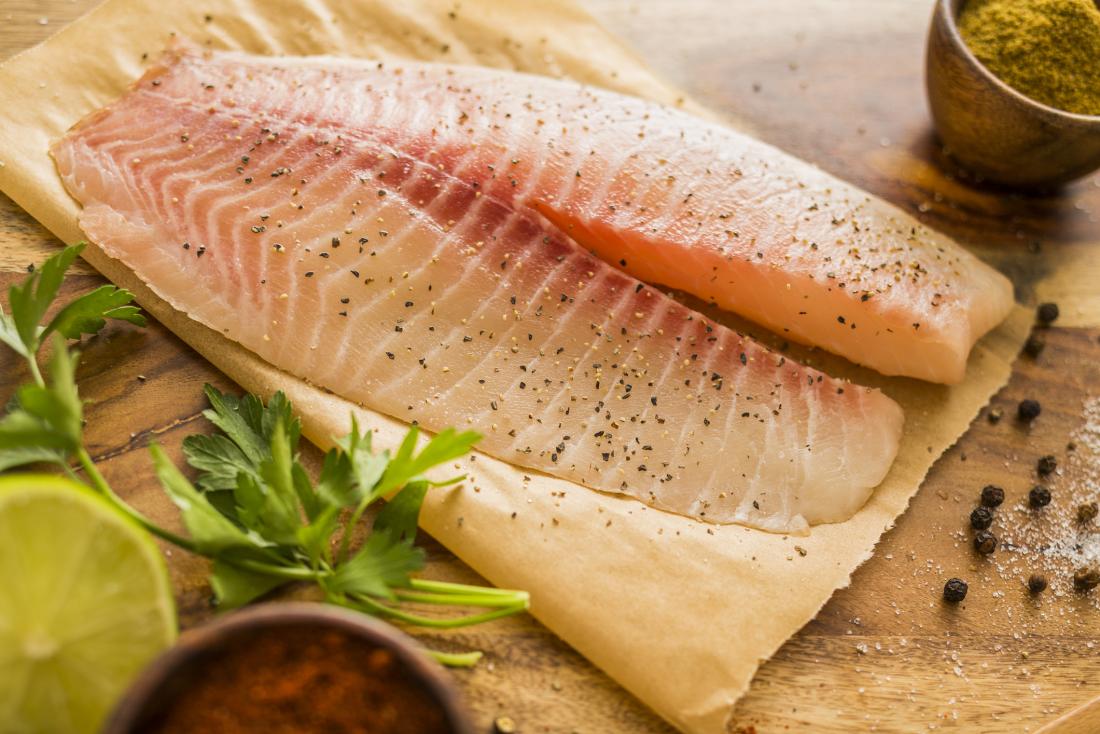
    10. Tilapia is a popular freshwater fish known for its mild flavor and versatility in cooking. It offers a significant amount of protein while being relatively low in calories. In a 3.5-ounce (100-gram) serving of tilapia, you can expect to find approximately 26-29 grams of protein, which is essential for supporting muscle growth and repair. Additionally, tilapia is a good source of vitamins such as niacin, vitamin B12, and selenium. When it comes to calories, a 3.5-ounce serving of tilapia typically contains around 90-120 calories, making it a light and nutritious option. It's worth noting that the cooking method and any added ingredients can slightly affect the overall calorie count. Tilapia can be prepared by grilling, baking, or pan-frying, offering various culinary possibilities. With its generous protein content, essential nutrients, and relatively low calorie intake, tilapia is a popular choice for those seeking a healthy and flavorful seafood option.

  3. • Seafood:

    1. Shrimp
    2. Shrimp is a popular seafood choice that offers a considerable amount of protein while being relatively low in calories. In a 3.5-ounce (100-gram) serving of shrimp, you can find approximately 20-24 grams of protein, which is essential for muscle development and repair. Shrimp is also a good source of vitamins and minerals, including selenium, vitamin B12, and iron. When it comes to calories, a 3.5-ounce serving of shrimp typically contains around 85-100 calories, making it a light and satisfying option. It's important to note that the cooking method and any added ingredients can slightly affect the overall calorie count. Shrimp can be enjoyed boiled, grilled, sautéed, or incorporated into various dishes such as salads, stir-fries, or pasta. With its notable protein content, beneficial nutrients, and relatively low calorie content, shrimp is a flavorful and nutritious choice for seafood enthusiasts.

    3. Crab
    4. Crab is a delectable seafood choice that offers a substantial amount of protein while being relatively low in calories. In a 3.5-ounce (100-gram) serving of crab, you can expect to find approximately 18-20 grams of protein, which is crucial for muscle development and repair. Crab is also a good source of vitamins such as vitamin B12, as well as minerals like selenium and zinc. In terms of calories, a 3.5-ounce serving of crab typically contains around 80-100 calories, making it a light and nutritious option. It's worth noting that the cooking method and any added ingredients can slightly affect the overall calorie count. Crab can be enjoyed in various forms, including crab cakes, crab salads, or simply steamed or boiled. With its notable protein content, beneficial nutrients, and relatively low calorie intake, crab is a flavorful and healthy choice for seafood enthusiasts.

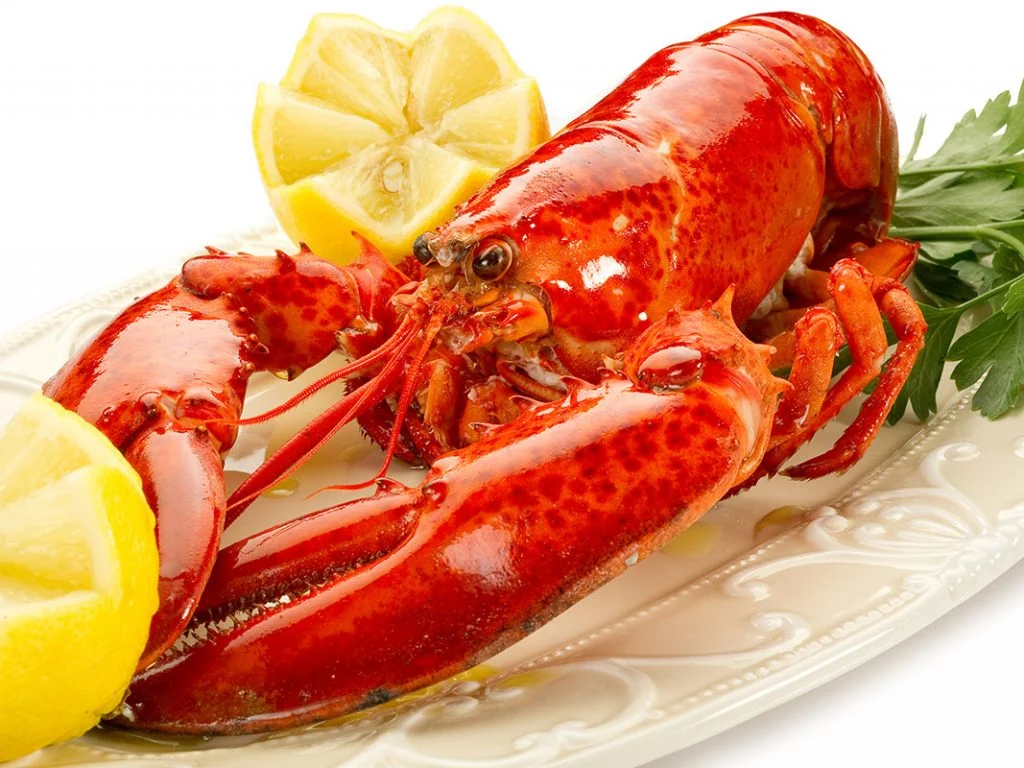
    5. Lobster
    6. Lobster is a sought-after seafood delicacy that offers a notable amount of protein while being relatively low in calories. In a 3.5-ounce (100-gram) serving of lobster, you can find approximately 20-25 grams of protein, which is essential for muscle growth and repair. Lobster is also a good source of minerals like zinc, phosphorus, and selenium. In terms of calories, a 3.5-ounce serving of lobster typically contains around 90-100 calories, making it a satisfying and nutritious option. It's important to note that the cooking method and any added ingredients can slightly affect the overall calorie count. Lobster can be enjoyed grilled, steamed, or as part of various dishes such as lobster rolls or bisques. With its impressive protein content, beneficial minerals, and relatively low calorie content, lobster is considered a flavorful and indulgent choice for seafood lovers.

    7. Scallops
    8. Scallops are a delectable seafood choice that offer a significant amount of protein while being relatively low in calories. In a 3.5-ounce (100-gram) serving of scallops, you can find approximately 18-20 grams of protein, which is important for supporting muscle development and repair. Scallops are also a good source of minerals like magnesium and potassium. When it comes to calories, a 3.5-ounce serving of scallops typically contains around 80-100 calories, making them a light and nutritious option. It's worth noting that the cooking method and any added ingredients can slightly affect the overall calorie count. Scallops can be enjoyed pan-seared, grilled, or incorporated into various dishes such as pasta or risotto. With their generous protein content, beneficial minerals, and relatively low calorie intake, scallops offer a flavorful and healthy choice for seafood enthusiasts.

  4. • Poultry:

    1. Chicken thighs
    2. Chicken thighs are a flavorful and versatile cut of poultry that provide a significant amount of protein while containing a moderate number of calories. In a 3.5-ounce (100-gram) serving of chicken thighs, you can expect to find approximately 18-22 grams of protein, which is essential for muscle growth, repair, and overall health. Chicken thighs also offer a good amount of essential vitamins and minerals such as iron and zinc. When it comes to calories, a 3.5-ounce serving of chicken thighs typically contains around 180-220 calories, depending on whether the skin is included. It's worth noting that the cooking method and any added ingredients or marinades can affect the overall calorie count. Chicken thighs can be prepared in various ways, such as baking, grilling, or pan-searing, allowing for a wide range of delicious meals. With their protein content, essential nutrients, and moderate calorie content, chicken thighs make for a satisfying and nutritious addition to a balanced diet.

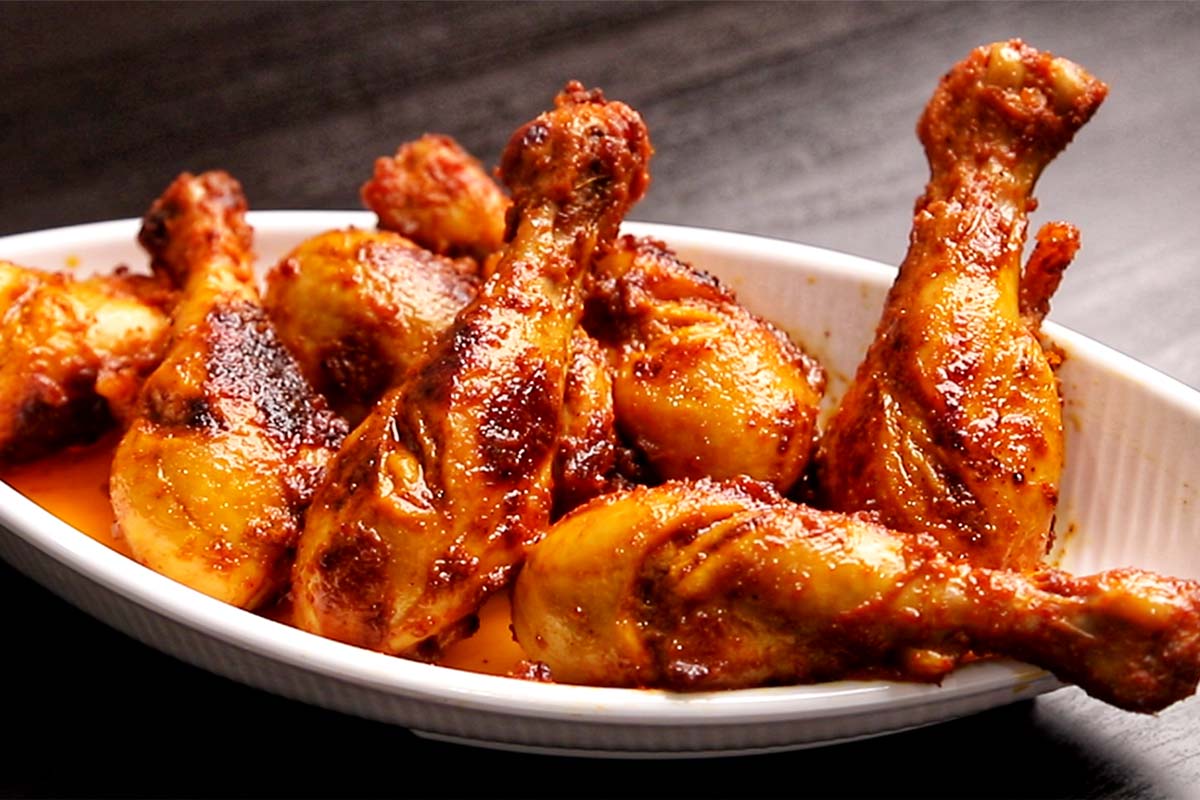
    3. Chicken drumsticks
    4. Chicken drumsticks are a flavorful and juicy cut of poultry that provide a substantial amount of protein while containing a moderate number of calories. In a 3.5-ounce (100-gram) serving of chicken drumsticks, you can expect to find approximately 18-22 grams of protein, which is essential for muscle growth, repair, and overall health. Chicken drumsticks also offer a good amount of essential vitamins and minerals such as iron and zinc. When it comes to calories, a 3.5-ounce serving of chicken drumsticks typically contains around 180-220 calories, depending on whether the skin is included. It's worth noting that the cooking method and any added ingredients or seasonings can affect the overall calorie count. Chicken drumsticks can be prepared by grilling, baking, or frying, offering a variety of delicious meal options. With their protein content, essential nutrients, and moderate calorie content, chicken drumsticks provide a satisfying and nutritious choice for poultry lovers.

    5. Chicken wings
    6. Chicken wings are a popular and flavorful poultry option that offer a good amount of protein while containing a moderate number of calories. In a 3.5-ounce (100-gram) serving of chicken wings, you can expect to find approximately 18-22 grams of protein, which is essential for muscle development, repair, and overall health. Chicken wings also provide various vitamins and minerals, including iron and zinc. When it comes to calories, a 3.5-ounce serving of chicken wings typically contains around 200-250 calories, depending on whether they are fried or baked and the type of sauce or seasoning used. It's important to note that the cooking method and any added ingredients can affect the overall calorie count. Chicken wings can be enjoyed grilled, fried, or baked with a variety of flavorful sauces, making them a popular choice for finger foods or as part of a meal. With their protein content, essential nutrients, and moderate calorie content, chicken wings can be enjoyed in moderation as a tasty and satisfying treat.

  5. • Eggs:

    1. Whole eggs
    2. Whole eggs are a nutrient-dense food that provides a considerable amount of protein while containing a moderate number of calories. In a whole large egg, you can find approximately 6 grams of protein, which is crucial for various bodily functions, including muscle development and repair. Eggs also offer essential vitamins and minerals such as vitamin D, vitamin B12, choline, and selenium. When it comes to calories, a whole large egg typically contains around 70-80 calories. It's worth noting that the calorie content can vary slightly depending on the size of the egg. Eggs are a versatile ingredient that can be enjoyed in various ways, including boiled, scrambled, or used in baking and cooking. With their protein content, essential nutrients, and moderate calorie count, whole eggs can be incorporated into a balanced diet to provide a nourishing and satisfying meal option.

    3. Egg whites
    4. Egg whites, also known as albumen, are a protein-rich and low-calorie food option. In a 3.5-ounce (100-gram) serving of egg whites, you can find approximately 10-11 grams of protein, which is essential for muscle growth, repair, and overall health. Egg whites are also low in fat and cholesterol, making them a popular choice for individuals seeking a lean protein source. When it comes to calories, a 3.5-ounce serving of egg whites typically contains around 50-60 calories, making them a light and nutritious option. It's worth noting that the calorie content can vary slightly depending on the size and amount of egg whites used. Egg whites can be enjoyed in various ways, such as in omelets, scrambled eggs, or as an ingredient in protein shakes and baking recipes. With their high protein content, minimal fat, and low calorie count, egg whites are a versatile and wholesome choice for those looking to incorporate a nutritious protein source into their diet.

20 Vegetarian Protein Sources:

  1. • Legumes and Beans:

    1. Lentils
    2. Lentils are a nutritious legume that offers a substantial amount of protein while being relatively low in calories. In a 3.5-ounce (100-gram) serving of lentils, you can find approximately 9-10 grams of protein, which is essential for muscle development, repair, and overall health. Lentils are also a good source of dietary fiber, folate, iron, and other essential minerals. When it comes to calories, a 3.5-ounce serving of lentils typically contains around 110-120 calories, making them a satisfying and nutrient-dense option. It's worth noting that the cooking method and any added ingredients can slightly affect the overall calorie count. Lentils can be enjoyed in various dishes, including soups, stews, salads, or as a side dish. With their protein content, fiber, and valuable nutrients, lentils are considered a wholesome and plant-based source of protein for individuals seeking a nutritious and filling meal.

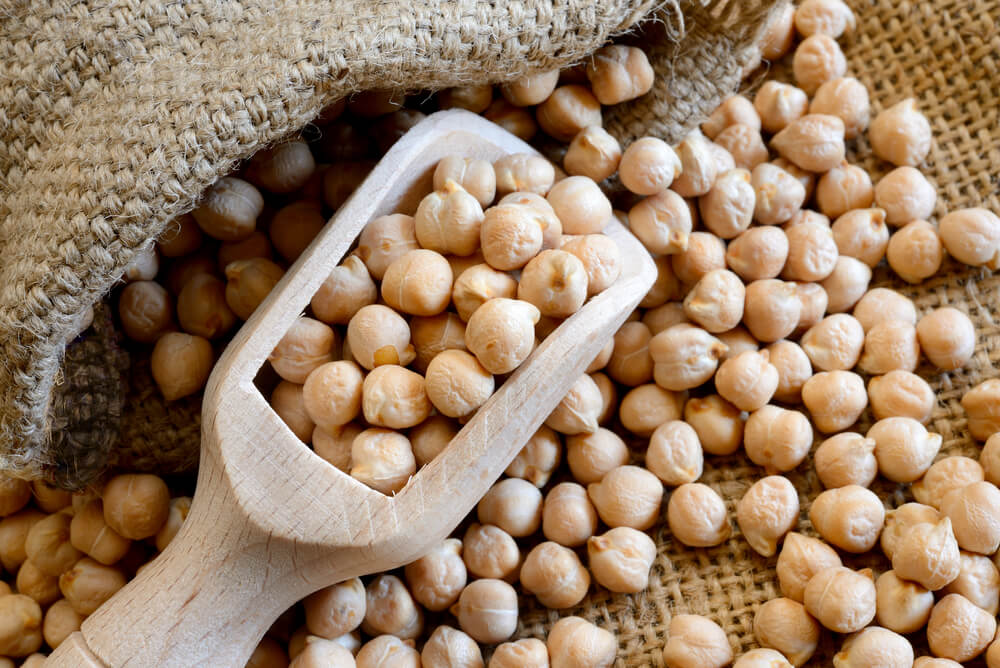
    3. Chickpeas
    4. Chickpeas, also known as garbanzo beans, are a versatile and nutritious legume that provides a significant amount of protein while being relatively low in calories. In a 3.5-ounce (100-gram) serving of chickpeas, you can find approximately 8-9 grams of protein, which is crucial for muscle development, repair, and overall health. Chickpeas are also an excellent source of dietary fiber, folate, iron, and other essential minerals. When it comes to calories, a 3.5-ounce serving of chickpeas typically contains around 120-130 calories, making them a satisfying and nutrient-dense choice. It's important to note that the cooking method and any added ingredients can slightly affect the overall calorie count. Chickpeas can be enjoyed in various ways, including in salads, soups, stews, or as the main ingredient in dishes like hummus and falafel. With their protein content, fiber, and valuable nutrients, chickpeas are considered a nutritious and filling option for those looking to incorporate plant-based protein into their diet.

    5. Black beans
    6. Black beans are a nutritious legume that provides a significant amount of protein while being relatively low in calories. In a 3.5-ounce (100-gram) serving of black beans, you can find approximately 8-9 grams of protein, which is essential for muscle development, repair, and overall health. Black beans are also an excellent source of dietary fiber, folate, iron, and other essential minerals. When it comes to calories, a 3.5-ounce serving of black beans typically contains around 120-130 calories, making them a satisfying and nutrient-dense choice. It's worth noting that the cooking method and any added ingredients can slightly affect the overall calorie count. Black beans can be enjoyed in various dishes, such as soups, stews, salads, or as a side dish. With their protein content, fiber, and valuable nutrients, black beans are considered a wholesome and versatile option for those looking to incorporate plant-based protein into their diet.

    7. Kidney beans
    8. Kidney beans are a nutritious legume that provides a significant amount of protein while being relatively low in calories. In a 3.5-ounce (100-gram) serving of kidney beans, you can find approximately 8-9 grams of protein, which is crucial for muscle development, repair, and overall health. Kidney beans are also an excellent source of dietary fiber, folate, iron, and other essential minerals. When it comes to calories, a 3.5-ounce serving of kidney beans typically contains around 110-120 calories, making them a satisfying and nutrient-dense choice. It's worth noting that the cooking method and any added ingredients can slightly affect the overall calorie count. Kidney beans can be enjoyed in various dishes, including chili, soups, salads, or as a side dish. With their protein content, fiber, and valuable nutrients, kidney beans are considered a wholesome and versatile option for those looking to incorporate plant-based protein into their diet.

    9. Soybeans
    10. Soybeans are a versatile and nutritious legume that offers a substantial amount of protein while being relatively low in calories. In a 3.5-ounce (100-gram) serving of soybeans, you can find approximately 36-38 grams of protein, which is essential for muscle development, repair, and overall health. Soybeans are also rich in dietary fiber, iron, calcium, and other essential minerals. When it comes to calories, a 3.5-ounce serving of soybeans typically contains around 140-150 calories, making them a satisfying and nutrient-dense option. It's worth noting that the cooking method and any added ingredients can slightly affect the overall calorie count. Soybeans can be enjoyed in various forms, including tofu, tempeh, soy milk, or as an ingredient in plant-based meat substitutes. With their high protein content, valuable nutrients, and relatively low calorie count, soybeans are considered a nutritious and plant-based source of protein for individuals looking to incorporate a balanced and sustainable diet.

    11. Split peas
    12. Split peas are a nutritious legume that provides a significant amount of protein while being relatively low in calories. In a 3.5-ounce (100-gram) serving of split peas, you can find approximately 24-26 grams of protein, which is essential for muscle development, repair, and overall health. Split peas are also an excellent source of dietary fiber, folate, iron, and other essential minerals. When it comes to calories, a 3.5-ounce serving of split peas typically contains around 115-125 calories, making them a satisfying and nutrient-dense choice. It's worth noting that the cooking method and any added ingredients can slightly affect the overall calorie count. Split peas are commonly used in soups, stews, and curries, and can also be enjoyed as a side dish or incorporated into salads. With their protein content, fiber, and valuable nutrients, split peas are considered a wholesome and versatile legume that can contribute to a balanced and nutritious diet.

  2. • Nuts and Seeds:

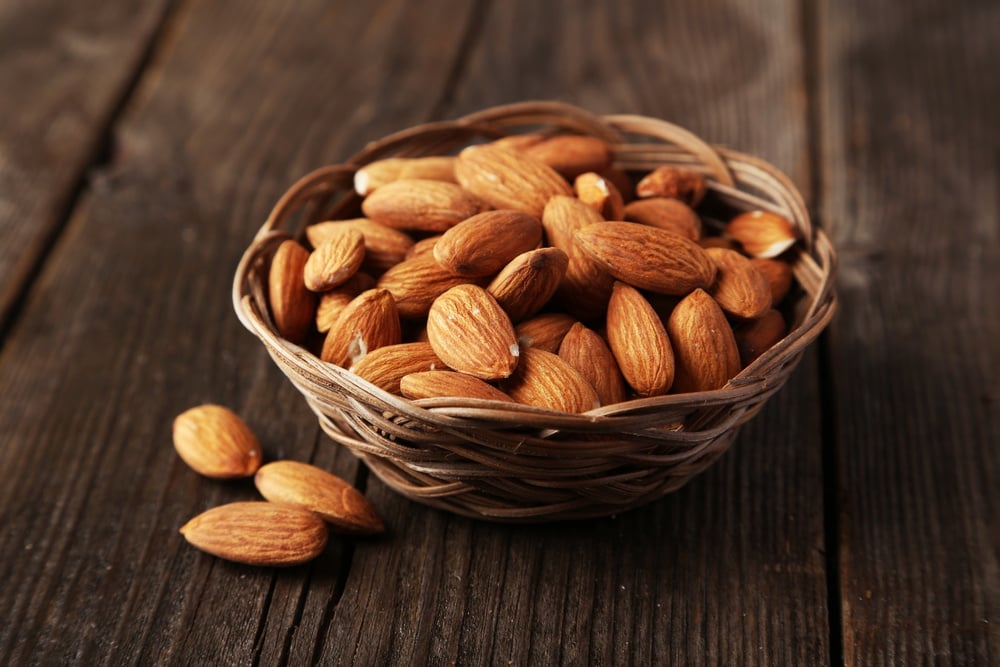
    1. Almonds
    2. Almonds are a nutritious and delicious nut that offers a considerable amount of protein while being relatively low in calories. In a 3.5-ounce (100-gram) serving of almonds, you can find approximately 21-22 grams of protein, which is essential for muscle development, repair, and overall health. Almonds are also a good source of dietary fiber, healthy fats, vitamin E, and other essential nutrients. When it comes to calories, a 3.5-ounce serving of almonds typically contains around 570-580 calories, making them a satisfying and energy-dense option. It's worth noting that portion sizes should be taken into consideration due to their higher calorie content. Almonds can be enjoyed as a standalone snack, added to salads, or used as an ingredient in various dishes and desserts. With their protein content, beneficial nutrients, and satisfying crunch, almonds are considered a nutritious and versatile nut that can be part of a balanced and healthy diet.

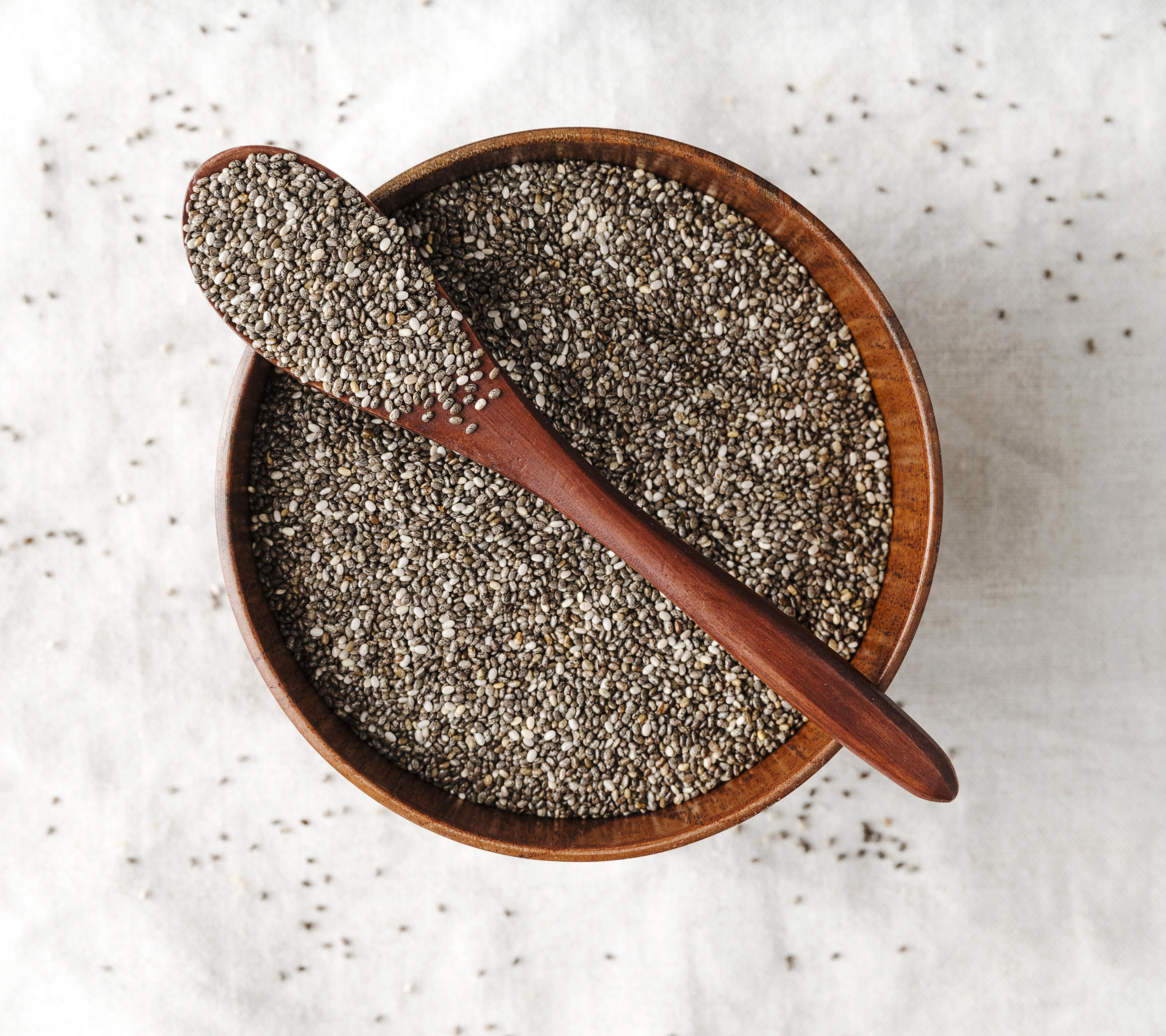
    3. Chia seeds
    4. Chia seeds are a tiny but mighty superfood that provides a significant amount of protein while being low in calories. In a 3.5-ounce (100-gram) serving of chia seeds, you can find approximately 16-17 grams of protein, which is crucial for muscle development, repair, and overall health. Chia seeds are also an excellent source of dietary fiber, omega-3 fatty acids, antioxidants, and other essential nutrients. When it comes to calories, a 3.5-ounce serving of chia seeds typically contains around 486-490 calories, making them a nutrient-dense option. It's worth noting that chia seeds expand and form a gel-like consistency when mixed with liquid, so their volume increases when consumed. Chia seeds can be incorporated into a variety of foods, such as smoothies, yogurt, puddings, and baked goods. With their protein content, fiber, and abundance of beneficial nutrients, chia seeds are considered a nutritious and versatile addition to a balanced diet.

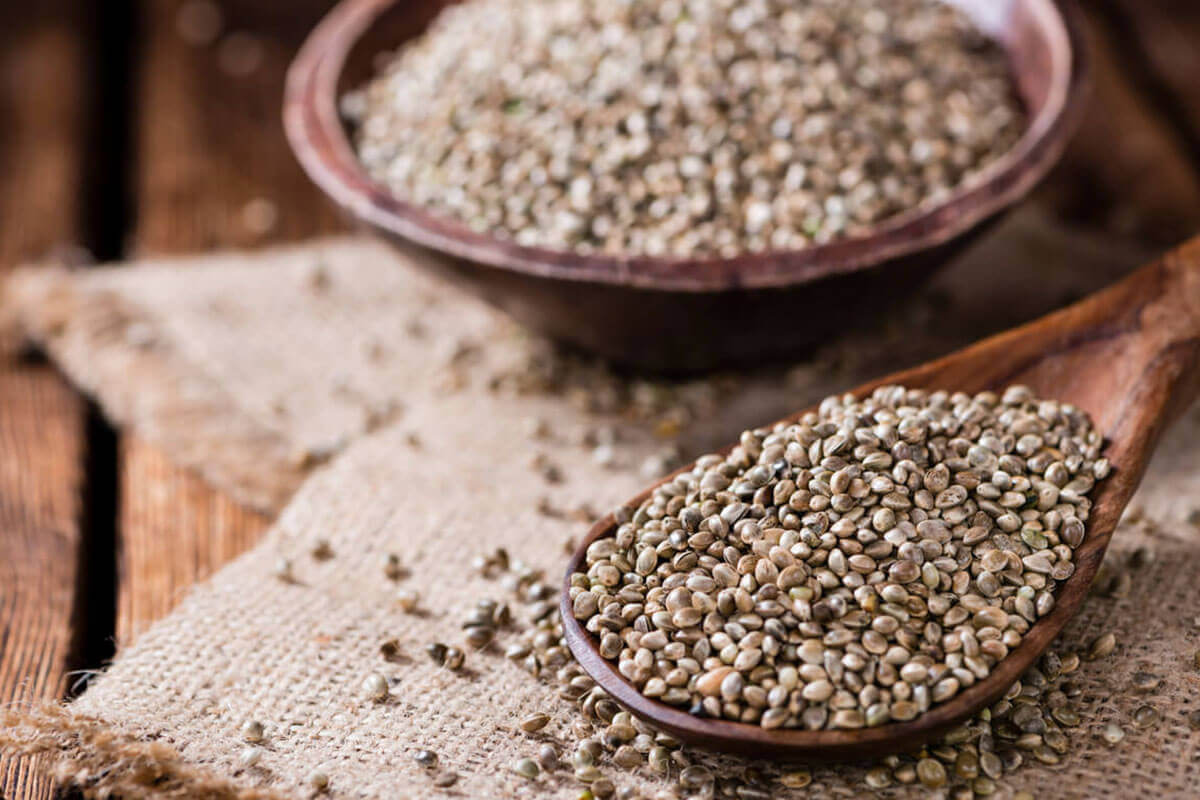
    5. Hemp seeds
    6. Hemp seeds are a highly nutritious and versatile seed that provides a significant amount of protein while being relatively low in calories. In a 3.5-ounce (100-gram) serving of hemp seeds, you can find approximately 31-33 grams of protein, which is essential for muscle development, repair, and overall health. Hemp seeds are also rich in healthy fats, dietary fiber, vitamin E, and other important minerals. When it comes to calories, a 3.5-ounce serving of hemp seeds typically contains around 550-570 calories, making them a satisfying and energy-dense option. It's worth noting that portion sizes should be taken into consideration due to their higher calorie content. Hemp seeds can be enjoyed sprinkled on salads, added to smoothies, incorporated into baked goods, or even eaten as a standalone snack. With their high protein content, beneficial fats, and array of nutrients, hemp seeds are considered a nutritious and plant-based source of protein for individuals looking to enhance their diet with natural and wholesome ingredients.

    7. Pumpkin seeds
    8. Pumpkin seeds, also known as pepitas, are a nutritious and tasty seed that provides a substantial amount of protein while being relatively low in calories. In a 3.5-ounce (100-gram) serving of pumpkin seeds, you can find approximately 30-35 grams of protein, which is crucial for muscle development, repair, and overall health. Pumpkin seeds are also an excellent source of dietary fiber, healthy fats, iron, magnesium, and other essential minerals. When it comes to calories, a 3.5-ounce serving of pumpkin seeds typically contains around 560-570 calories, making them a satisfying and nutrient-dense option. It's worth noting that portion sizes should be taken into consideration due to their higher calorie content. Pumpkin seeds can be enjoyed as a crunchy snack, sprinkled on salads or roasted vegetables, or incorporated into various recipes, such as granola bars or baked goods. With their protein content, beneficial nutrients, and delicious flavor, pumpkin seeds are considered a wholesome and versatile seed that can be part of a balanced and nutritious diet.
    9. Sunflower seeds
    10. Sunflower seeds are a nutritious and flavorful seed that provides a considerable amount of protein while being relatively low in calories. In a 3.5-ounce (100-gram) serving of sunflower seeds, you can find approximately 20-22 grams of protein, which is essential for muscle development, repair, and overall health. Sunflower seeds are also rich in dietary fiber, healthy fats, vitamin E, and other essential minerals. When it comes to calories, a 3.5-ounce serving of sunflower seeds typically contains around 580-590 calories, making them a satisfying and nutrient-dense option. It's worth noting that portion sizes should be taken into consideration due to their higher calorie content. Sunflower seeds can be enjoyed as a snack on their own, added to salads or baked goods, or used as a topping for various dishes. With their protein content, beneficial nutrients, and delightful crunch, sunflower seeds are considered a nutritious and versatile seed that can be incorporated into a balanced and wholesome diet.

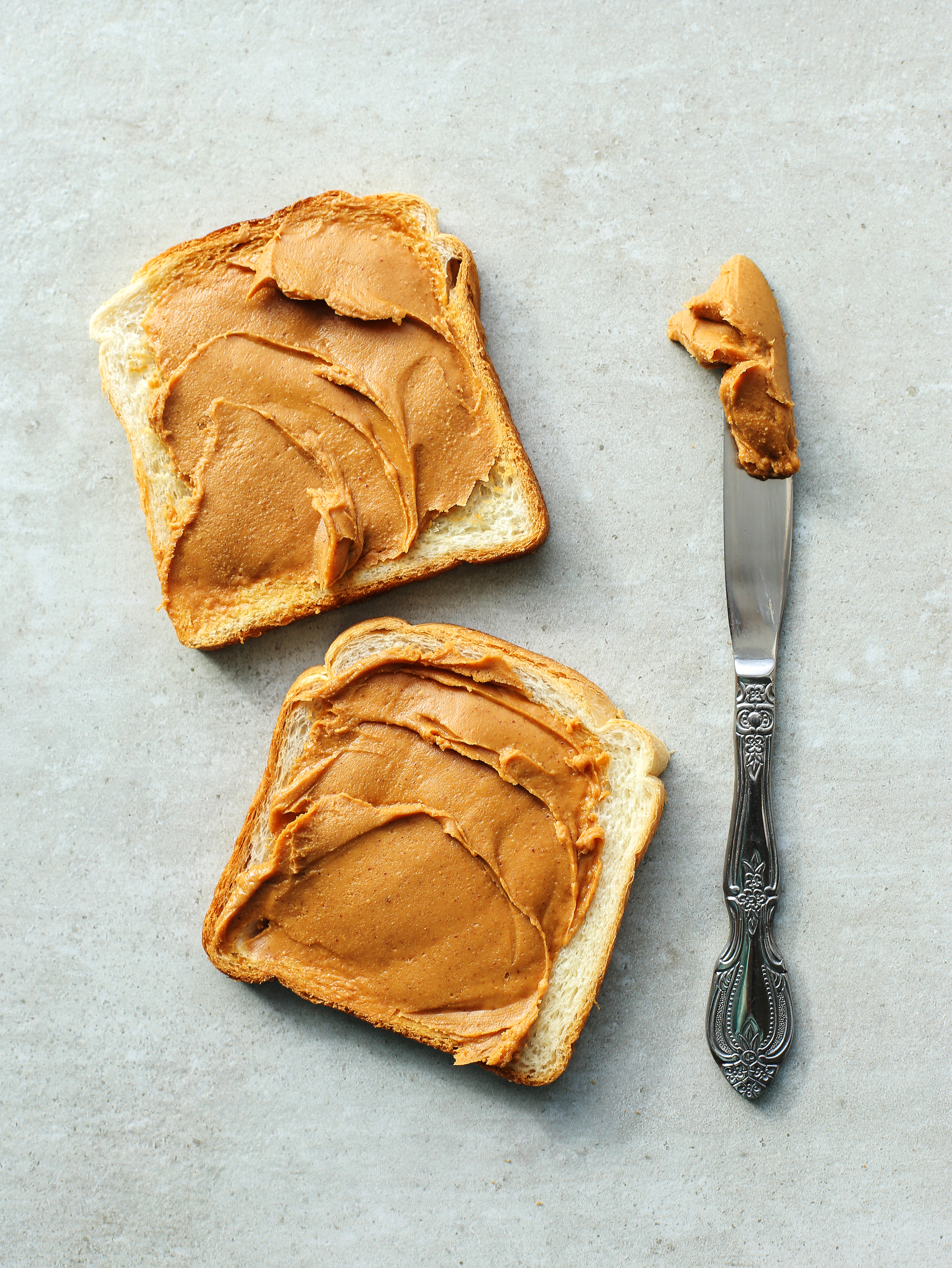
    11. Peanut butter
    12. Peanut butter is a popular and delicious spread that offers a significant amount of protein while being relatively high in calories. In a 3.5-ounce (100-gram) serving of peanut butter, you can find approximately 25-30 grams of protein, which is essential for muscle development, repair, and overall health. Peanut butter is also a good source of healthy fats, dietary fiber, vitamin E, and other essential nutrients. When it comes to calories, a 3.5-ounce serving of peanut butter typically contains around 570-600 calories, making it an energy-dense option. It's important to be mindful of portion sizes due to its calorie content. Peanut butter can be enjoyed on bread, added to smoothies, used as a dip for fruits or vegetables, or incorporated into various recipes. With its protein content, flavorful taste, and versatility, peanut butter is considered a nutritious and satisfying choice for individuals looking to include a protein-rich spread in their diet.

  3. • Grains:

    1. Quinoa
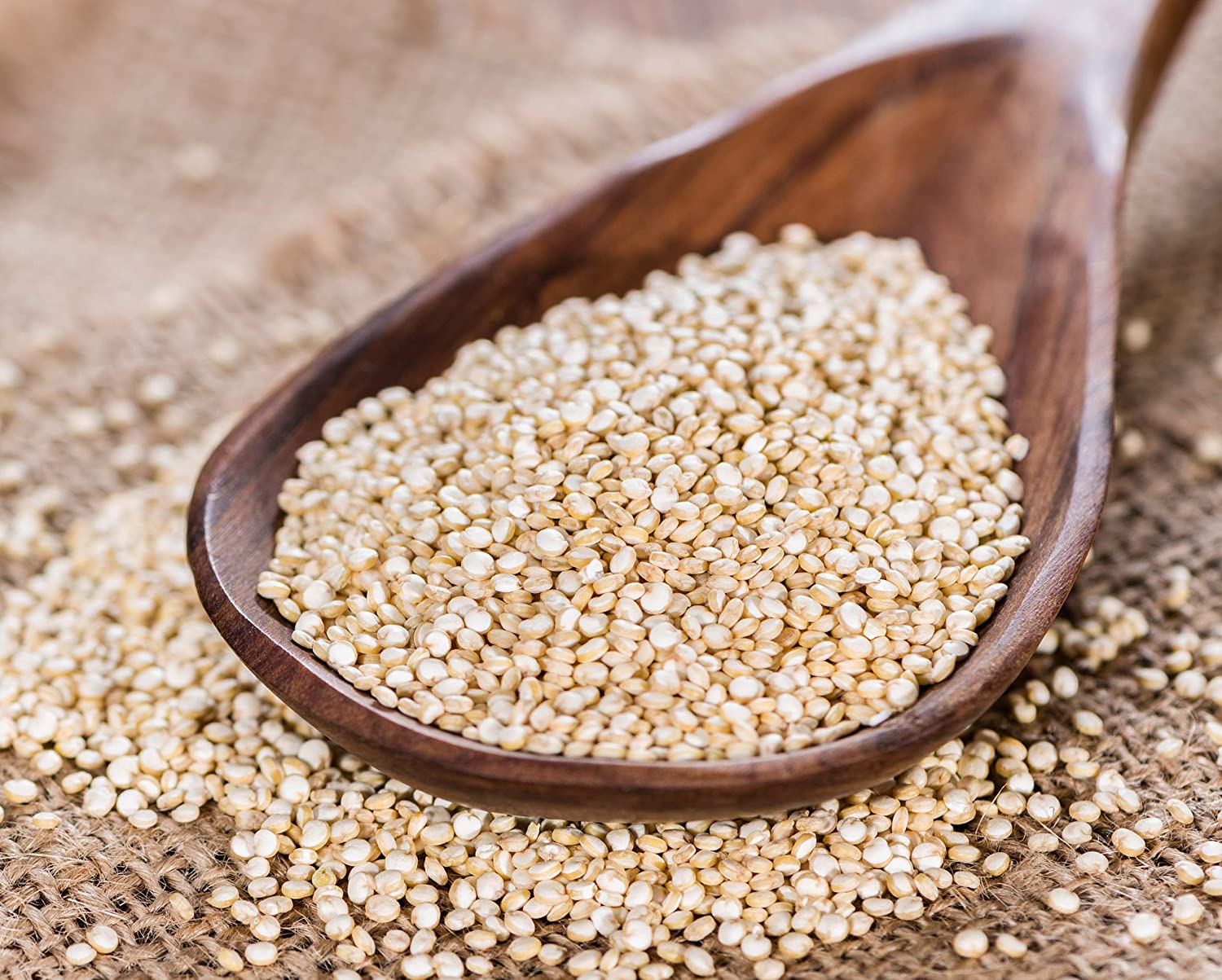
    2. Quinoa is a highly nutritious grain-like seed that offers a substantial amount of protein while being relatively low in calories. In a 3.5-ounce (100-gram) serving of cooked quinoa, you can find approximately 4-5 grams of protein, which is essential for muscle development, repair, and overall health. Quinoa is also a good source of dietary fiber, iron, magnesium, and other essential minerals. When it comes to calories, a 3.5-ounce serving of cooked quinoa typically contains around 120-130 calories, making it a satisfying and nutrient-dense option. It's worth noting that quinoa absorbs water during cooking, so the volume and weight may increase. Quinoa can be enjoyed as a side dish, added to salads, used in soups or stews, or even incorporated into baked goods. With its protein content, fiber, and valuable nutrients, quinoa is considered a nutritious and versatile grain alternative for individuals looking to diversify their protein sources and incorporate a balanced and wholesome diet.

    3. Brown rice
    4. Brown rice is a nutritious whole grain that provides a moderate amount of protein while being relatively low in calories. In a 3.5-ounce (100-gram) serving of cooked brown rice, you can find approximately 2-3 grams of protein, which is important for muscle development, repair, and overall health. Brown rice is also a good source of dietary fiber, manganese, magnesium, and other essential nutrients. When it comes to calories, a 3.5-ounce serving of cooked brown rice typically contains around 110-120 calories, making it a satisfying and nutrient-rich option. It's worth noting that the cooking method and any added ingredients can slightly affect the overall calorie count. Brown rice can be enjoyed as a side dish, used in stir-fries, pilafs, or as a base for grain bowls. With its fiber content, beneficial nutrients, and versatility, brown rice is considered a wholesome and nourishing grain choice for individuals looking to incorporate a balanced and nutritious diet.

    5. Oats
    6. Oats are a nutritious whole grain that provides a moderate amount of protein while being relatively low in calories. In a 3.5-ounce (100-gram) serving of oats, you can find approximately 10-15 grams of protein, which is important for muscle development, repair, and overall health. Oats are also a great source of dietary fiber, including beta-glucan, which has been associated with various health benefits. Additionally, oats contain essential minerals like manganese, phosphorus, and magnesium. When it comes to calories, a 3.5-ounce serving of oats typically contains around 350-375 calories, making them a satisfying and nutrient-dense option. It's worth noting that the calorie count can vary depending on how the oats are prepared and any added ingredients. Oats can be enjoyed as a warm bowl of oatmeal, added to smoothies, baked into granola bars, or used in a variety of recipes. With their protein content, fiber, and valuable nutrients, oats are considered a wholesome and versatile grain that can be part of a balanced and nutritious diet.

    7. Whole wheat bread
    8. Whole wheat bread is a nutritious and filling carbohydrate source that provides a moderate amount of protein while being relatively low in calories. In a 3.5-ounce (100-gram) serving of whole wheat bread, you can find approximately 8-10 grams of protein, which is important for muscle development, repair, and overall health. Whole wheat bread is also a good source of dietary fiber, vitamins, and minerals, including iron, magnesium, and zinc. When it comes to calories, a 3.5-ounce serving of whole wheat bread typically contains around 240-260 calories, making it a satisfying and nutrient-rich choice. It's worth noting that the calorie count may vary slightly depending on the brand and specific ingredients used. Whole wheat bread can be enjoyed as a staple in sandwiches, toast, or as a base for various toppings. With its protein content, fiber, and essential nutrients, whole wheat bread is considered a nutritious and wholesome option for individuals looking to incorporate whole grains into their diet.

  4. • Dairy products:

    1. Greek yogurt
    2. Greek yogurt is a creamy and nutritious dairy product that offers a substantial amount of protein while being relatively low in calories. In a 3.5-ounce (100-gram) serving of Greek yogurt, you can find approximately 9-10 grams of protein, which is essential for muscle development, repair, and overall health. Greek yogurt is also a good source of calcium, probiotics, and other important nutrients. When it comes to calories, a 3.5-ounce serving of Greek yogurt typically contains around 60-70 calories, making it a satisfying and nutrient-dense option. It's worth noting that the calorie count may vary depending on the brand and any added ingredients, such as sweeteners or fruits. Greek yogurt can be enjoyed as a standalone snack, used as a base for smoothies, or incorporated into a variety of recipes, including dips and dressings. With its protein content, creamy texture, and versatility, Greek yogurt is considered a nutritious and delicious choice for individuals looking to enhance their protein intake and promote gut health.

    3. Cottage cheese
    4. Cottage cheese is a versatile and nutritious dairy product that provides a significant amount of protein while being relatively low in calories. In a 3.5-ounce (100-gram) serving of cottage cheese, you can find approximately 10-12 grams of protein, which is important for muscle development, repair, and overall health. Cottage cheese is also a good source of calcium, phosphorus, and other essential nutrients. When it comes to calories, a 3.5-ounce serving of cottage cheese typically contains around 70-80 calories, making it a satisfying and nutrient-dense option. It's worth noting that the calorie count may vary depending on the fat content, such as low-fat or full-fat cottage cheese. Cottage cheese can be enjoyed as a standalone snack, used as a topping for salads or crackers, or incorporated into various recipes, including dips and baked goods. With its protein content, creamy texture, and versatility, cottage cheese is considered a nutritious and convenient choice for individuals looking to boost their protein intake and support their overall health.

    5. Milk
    6. Milk is a nutritious and versatile beverage that provides a considerable amount of protein while being relatively moderate in calories. In a 3.5-ounce (100-gram) serving of milk, you can find approximately 3-4 grams of protein, which is important for muscle development, repair, and overall health. Milk is also an excellent source of calcium, vitamin D, and other essential nutrients that contribute to healthy bones, teeth, and overall wellbeing. When it comes to calories, a 3.5-ounce serving of milk typically contains around 60-70 calories, making it a satisfying and nutrient-rich choice. It's worth noting that the calorie count may vary depending on the fat content, such as whole milk, low-fat milk, or skim milk. Milk can be enjoyed as a refreshing beverage on its own, used in cereal, smoothies, or as an ingredient in various recipes. With its protein content, calcium, and array of nutrients, milk is considered a nutritious and wholesome option for individuals looking to support their overall health and meet their daily protein needs.

    7. Cheese (such as mozzarella or cottage cheese)
    8. Cheese, whether it's mozzarella, cottage cheese, or other varieties, is a delicious and nutrient-rich dairy product that provides a significant amount of protein while being relatively moderate in calories. In a 3.5-ounce (100-gram) serving of cheese, you can find approximately 20-25 grams of protein, which is important for muscle development, repair, and overall health. Cheese is also a good source of calcium, phosphorus, and other essential nutrients that support bone health and various bodily functions. When it comes to calories, a 3.5-ounce serving of cheese typically contains around 300-400 calories, making it a satisfying and energy-dense option. It's worth noting that the calorie count may vary depending on the type and variety of cheese, as some are higher or lower in fat content. Cheese can be enjoyed as a standalone snack, used as a topping for salads, sandwiches, or incorporated into a wide range of dishes. With its protein content, rich flavor, and versatility, cheese is considered a nutritious and flavorful choice for individuals looking to add a protein-rich dairy product to their diet.